The Journal
Original Painting vs Print: What Are You Buying?
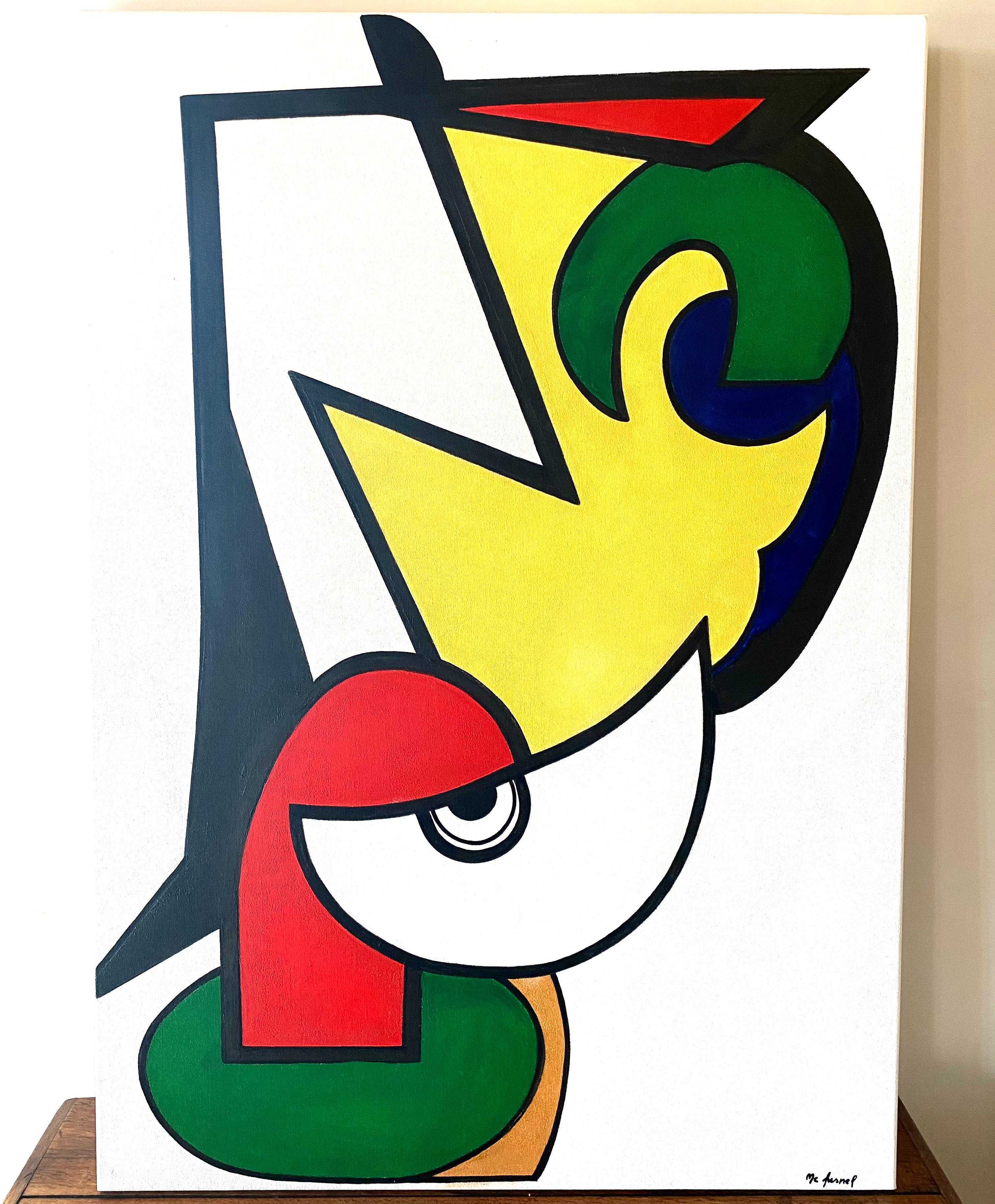
Canvas, signature and edition number do not tell the whole story. Learn the differences between paintings, reproductions and original prints before choosing art for your home.
An original painting and a reproduction can show the same image while being different objects. One is the surface on which the painting was made; the other carries a reproduced image. A signature, an edition number or a certificate does not settle the distinction on its own. Before buying, ask how the particular piece was produced. A clear description should help you understand both the object and the experience you are choosing.
Painting, reproduction and original print
A canvas is a support rather than a guarantee of technique. It can hold acrylic paint applied by an artist or an image printed from a photograph of a painting. A hand-painted copy of an existing work is another category and should be described as a copy. Look for the precise medium, not simply a phrase such as “canvas art”, which leaves the production method unclear.
An original print is different from a reproduction of a painting. In etching, lithography or screenprinting, printing can be the process through which the work is created. Several impressions may therefore be original prints. Across art as a whole, “original” does not always mean “unique”. The useful question is whether the image was conceived through that process or copied from an existing work in another medium.
What limited edition and giclée actually tell you
A limited edition declares a defined number of impressions. It may be an edition of original prints or a limited run of reproductions; numbering alone cannot distinguish the two. Ask about the full edition size, additional proofs and other sizes in which the image is offered. Giclée describes an inkjet printing process. The word itself does not establish the work’s originality, exclusivity or rarity.
A carefully made reproduction can be a satisfying choice. What matters is that you know its nature before comparing it with a painting. A hand signature on a reproduction does not turn it into a painted original. Equally, a painting can have a smooth surface rather than pronounced brushwork. Complete descriptions are more useful than broad marketing language when deciding what suits your interests and budget.
Surface texture gives clues, not a verdict
Side lighting can reveal brush marks, layers and changes in sheen. However, reproductions may have added texture or hand finishing, while photographs can flatten the appearance of actual paint. Ask for a straight-on view, a detail, the edges and the back. Compare those images with the stated technique. Never scratch or rub the surface to test it: looking at an image is not a substitute for examining and documenting an object.
- —What is the exact medium and support?
- —Is the item a painting, an original print or a reproduction?
- —Do the dimensions describe the image, the support or the frame?
- —Is the signature painted, handwritten or printed as part of the image?
- —How large is the edition, and are other sizes available?
- —Who is selling the piece, and how is it identified in the accompanying documents?
Read the certificate alongside the description
Check who issued the certificate of authenticity and how that person or organisation can be contacted. Its details should identify the artist, title, medium, support, dimensions and stated date. For an edition, check the impression number and edition size. A photograph or clear reference can help connect the document to the specific object rather than simply to an image used for several products.
An authorised reproduction can also come with a certificate; the document does not make it an original painting. Keep the description, invoice and relevant correspondence together. When buying an original painting directly from its maker, use the conversation to resolve any ambiguity between the photographs and written details. A certificate is something to read and assess, rather than a label that answers every question.
Two concrete examples from the Collection
Équilibre is listed in the Collection as a 120 × 100 cm acrylic-on-canvas work made with a palette knife. Reflets de Joie is a 60 × 50 cm acrylic painting on canvas. Those dimensions describe the paintings themselves, not a photographic file or a possible printed version. When browsing online, return to the catalogue information to understand the physical scale that a screen cannot convey.
Palette knife painting draws attention to surface, but pronounced relief is not a requirement for an original work to hold your interest. Flatter areas of colour can be equally compelling. The cover photograph shows a signed canvas and its edges: it illustrates what an overall view can reveal about presentation, without claiming that a photograph alone authenticates a painting.
Choose the kind of object you want to live with
If your priority is a particular image in a particular size, a clearly described reproduction may meet it. If the material surface and the making of a specific painting are central to your interest, spend time with the original. Then consider dimensions, available wall space and budget. Browse the Collection and contact me with the title of a work you would like to discuss; availability and arrangements need to be confirmed for each painting.
Tags
Frequently Asked Questions
Is a canvas print an original painting?+
Not when it reproduces a photograph of a painting. Canvas is a support that can carry paint or an impression. Ask for the exact production method.
Is a limited edition always an original artwork?+
No. It may contain original prints or reproductions produced in a limited run. The creative process and technique matter; numbering alone does not establish the distinction.
Does a signature prove a painting is original?+
Not by itself. A signature can be printed, and reproductions can be signed by hand. Assess it alongside the technique, description and documentation.
What should I check on a certificate of authenticity?+
The issuer, artist, title, medium, support, dimensions and identifying references. For an edition, also check the impression number and declared edition size.
Discover the works
Browse the full collection of original abstract paintings by M. C. Lamamie de Clairac.
View the Collection →