The Journal
How to Light a Painting at Home: Angle, Bulbs and Mistakes to Avoid
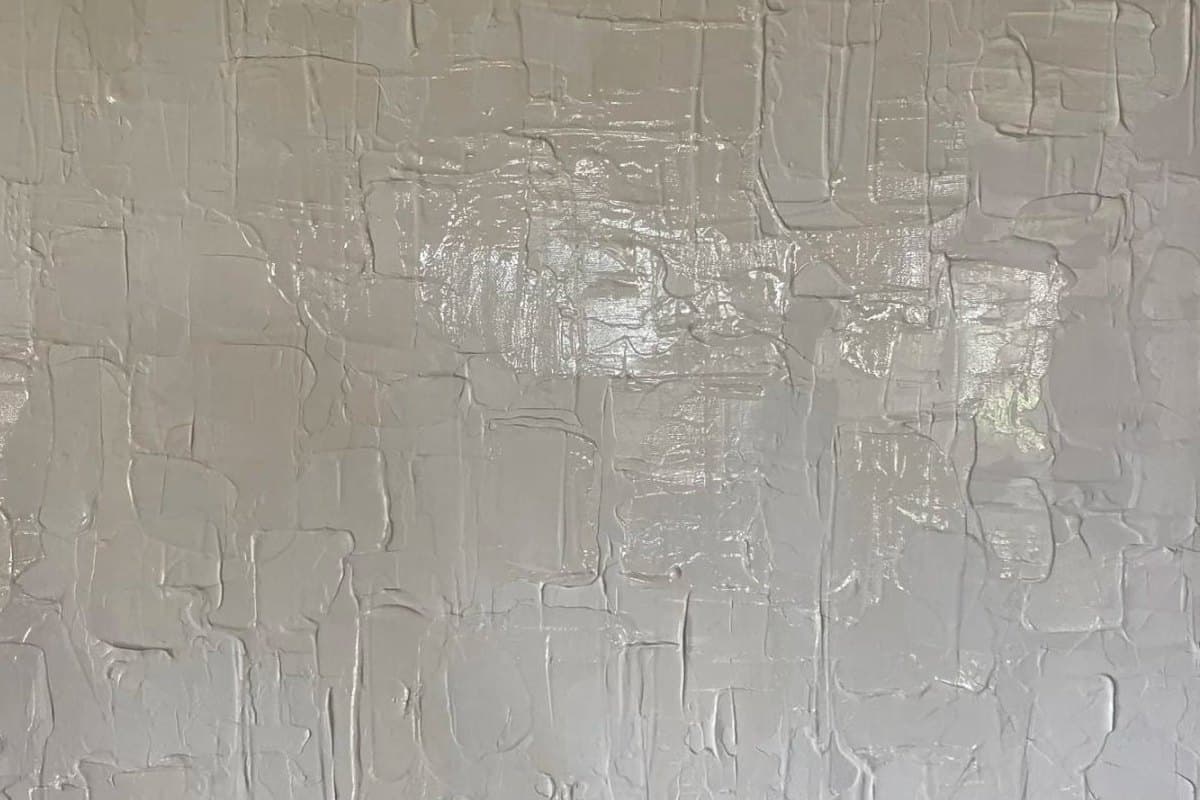
A badly lit painting loses its colour and its texture. Angle, bulb type, colour temperature and protecting the work: simple guidelines to show an original painting at its best at home.
To light a painting at home, aim an LED light at the work at roughly 30° to the wall, choose a bulb with good colour rendering (CRI 90 or above) and fairly warm light, around 2700–3000 K in a living room. Avoid direct sunlight and lights pointed straight at the canvas, which flatten texture and cause glare. These few adjustments can transform how an original painting holds a room.
Why lighting changes how you see a painting
A painting has no fixed colour: it reflects the light it receives. Under a bulb that is too cool, reds go dull; under light that is too yellow, blues drift towards green. Texture depends on the direction of light as well. A source straight on flattens the surface, while raking light exaggerates every ridge. In between, slightly angled light reveals the paint without dramatising it.
The cover image shows this clearly. It is a detail of Blanc Immaculé, a 90 × 65 cm monochrome canvas worked with a palette knife. The ridges of paint catch the light, but in the centre there is also a bright patch where light bounces straight back towards the camera. That glare wipes out the texture in that spot, which is exactly what good lighting tries to avoid.
The right angle: about 30° to the wall
The reference most lighting manufacturers give is an angle of about 30° between the beam and the wall. At that tilt, light covers the surface fairly evenly and reflections are sent down towards the floor rather than into your eyes. If the fixture is too close to the wall, it creates a hot spot at the top of the canvas and leaves the bottom in shadow; too far away, and it dazzles and throws the shadows of passers-by across the work.
- —Aim the beam at the centre of the canvas, not its top edge
- —Start around 30°, then adjust by eye from where you actually look at the painting
- —For a large canvas, use two sources or a wider beam rather than one very strong spotlight
- —For palette-knife work, a slightly steeper angle brings out the texture; check that it does not create glare
Which bulb should you use for a painting?
LEDs are now the simplest choice: they run cool and emit almost no ultraviolet, both of which matter for a work that will hang for years. Check two numbers on the packaging. The colour rendering index (CRI) should be 90 or above so colours stay true. Colour temperature, measured in kelvin, sets the mood: around 2700–3000 K for warm living-room light, higher for a more neutral look. Above all, keep it consistent with the other lamps in the room.
A dimmer is well worth it. It lets you adapt the light to the time of day: subtle in the evening, when the painting simply needs to be present, brighter when you have guests. Good accent lighting does not need to be strong; it only needs to be a little brighter than the room’s general light to draw the eye, without turning the canvas into a light box.
Picture light, spotlight or track: which suits your home?
- —A picture light mounted above the frame: simple and elegant for a single work, as long as it lights the full width and not just the top
- —An adjustable ceiling spotlight: the most flexible way to set the angle, ideal above a sofa or sideboard
- —Track lighting: practical for several paintings or a wall you rearrange often
- —A lamp on a nearby piece of furniture: no installation needed, angled from the side to avoid straight-on glare
A painting lives with the light of the room; lighting it means choosing the moment of the day when it is seen best.
Protect the work while you light it
Showing off a painting should not damage it. Avoid hanging it where direct sun hits the canvas for hours: intense light and UV can fade some pigments over time. Keep halogen lamps and other hot sources away from the surface, and leave enough distance between fixture and canvas so heat does not build up in one area. These precautions go hand in hand with general painting care.
Lighting palette-knife paintings: examples from my work
Many of my canvases are worked with a palette knife, and lighting plays a particular role in them. On Équilibre, a 120 × 100 cm acrylic built from rectangles of colour, slightly angled light reveals the marks of the knife in each block without altering the colours. On a white work such as Blanc Immaculé, light almost becomes the subject: depending on the hour and the angle, the same surface looks soft, sculpted or nearly silver. In that case, I recommend looking at the canvas in the morning, afternoon and evening before fixing a light permanently.
Lighting is best planned together with placement. If you are still weighing sofa-sizing or a floater frame, settle those questions before drilling for a light. You can browse the Collection to compare formats and surfaces, then contact me with a photo of your wall, and we can look together at how the work will receive the light in your room.
Tags
Frequently Asked Questions
What angle should you light a painting from?+
About 30° between the beam and the wall is a good starting point. It lights the canvas evenly and sends reflections towards the floor. Then adjust by eye from where you normally view the painting.
What kind of bulb is best for lighting a painting?+
An LED with a colour rendering index of 90 or higher, so colours look true. In a living room, warm light around 2700–3000 K is usually most comfortable; keep it consistent with the other lamps.
Does light damage paintings?+
Long exposure to direct sunlight and UV can fade some pigments over time. LEDs emit very little UV and run cool, which makes them a good choice; keep hot light sources away from the canvas.
How do you stop glare on a painting?+
Avoid lights aimed straight at the canvas and angle the beam at about 30°. Reflections then go towards the floor instead of your eyes. On glossy or textured surfaces, test several angles before fixing the light.
Do you need a picture light above a painting?+
Not necessarily. A picture light works well for a single piece if it covers the full width. An adjustable ceiling spotlight gives more flexibility on angle, and track lighting suits several paintings.
Discover the works
Browse the full collection of original abstract paintings by M. C. Lamamie de Clairac.
View the Collection →